

The Thrill of Risk: Understanding High-Stakes Gambling
High-stakes gambling often evokes feelings of exhilaration and tension. Players engaging in these high-stakes environments are typically driven by the adrenaline rush that comes from risking large sums of money. This thrill-seeking behavior is deeply rooted in human psychology, as many individuals are drawn to the possibility of instant gratification and significant rewards. In this context, it’s crucial to ensure a secure experience online; therefore, you can find more information at https://stopthetraffik.com.au/. The stakes elevate the experience, creating an environment where decisions are often fueled by emotion rather than rational thought.
Moreover, the psychology of risk-taking reveals that many gamblers operate under the illusion of control, believing they can outsmart the odds. This cognitive bias leads players to employ strategies that may not necessarily improve their chances of winning, reinforcing their commitment to high-stakes games. As a result, the blend of emotional highs and perceived control plays a pivotal role in the decision-making processes within casinos.
The Impact of Environment on Decision-Making
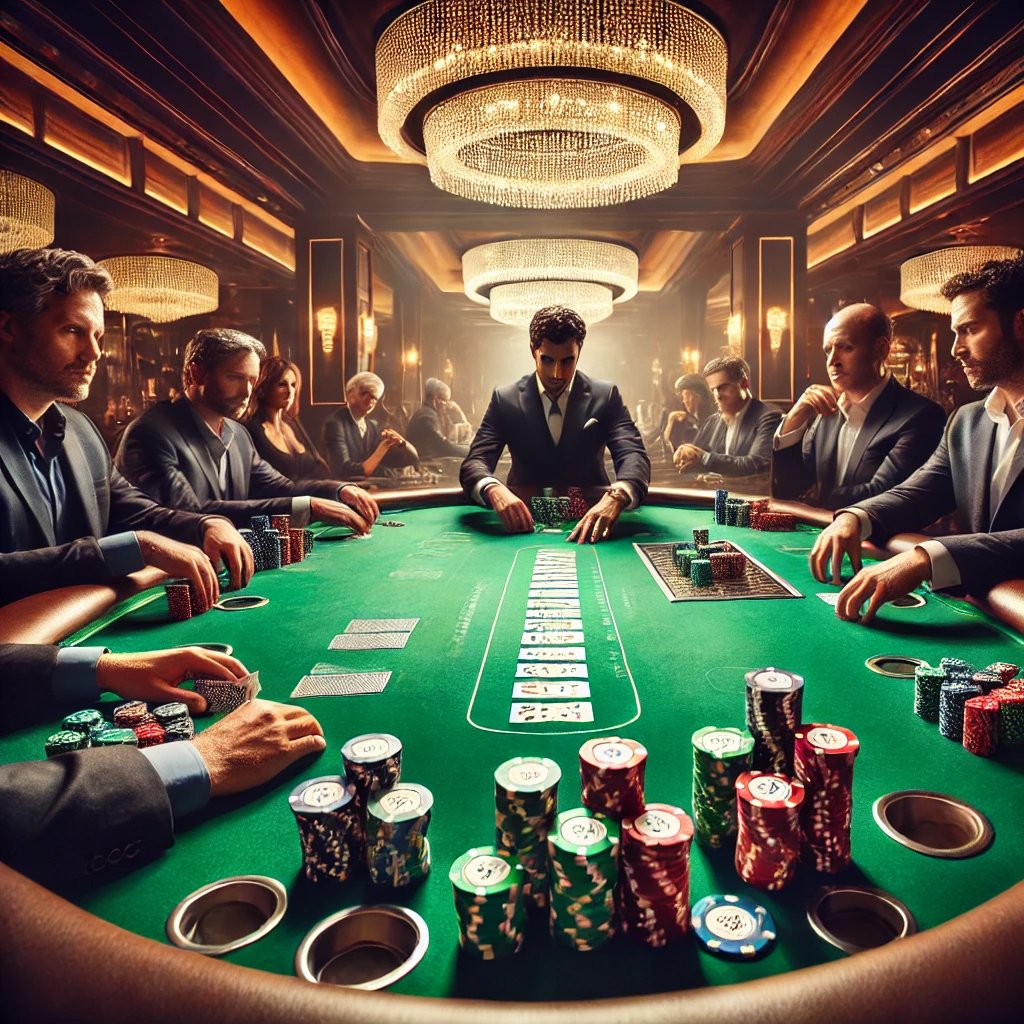
The atmosphere within a casino significantly influences how players make high-stakes decisions. Casinos are meticulously designed to heighten excitement and create an immersive experience. Factors such as lighting, sound, and layout contribute to a sense of urgency and anticipation, which can cloud judgment and lead to impulsive choices. This carefully curated environment exploits psychological triggers, encouraging players to take risks they might avoid in a more serene setting.
The Role of Cognitive Biases in Gambling Decisions
Cognitive biases significantly shape how high-stakes gamblers perceive their experiences and make decisions. One common bias is the gambler’s fallacy, where individuals believe that past events will influence future outcomes in games of chance. For example, a player may think that a particular slot machine is “due” for a win because it has not paid out recently, leading to increased betting despite the underlying probabilities remaining unchanged.
Another important bias is the illusion of invincibility that can occur after a series of wins. Players may overestimate their skill or luck, leading them to take irrational risks. Such biases illustrate how cognitive distortions can warp decision-making processes, often resulting in substantial financial losses despite the player’s strong belief in their strategy.
The Emotional Journey: From Euphoria to Despair
The emotional rollercoaster experienced by high-stakes gamblers plays a crucial role in their decision-making. The euphoric highs of winning can lead to a phenomenon known as “chasing losses,” where players double down on their bets in hopes of recouping what they’ve lost. This emotional decision-making often overrides rational judgment, pushing individuals to make choices that can spiral into significant financial problems.
Conversely, the despair and regret following losses can trigger a range of emotional responses, from frustration to despondency. These emotional reactions influence subsequent decisions, often resulting in a cycle of risk-taking that can be difficult to break. Understanding this emotional journey is essential for recognizing how it shapes behaviors in high-stakes gambling scenarios.
Ensuring a Safe Gaming Experience
At Stopthetraffik.com.au, we prioritize creating a safe online environment for our users, ensuring that the experiences enjoyed in high-stakes casino contexts are secure and enjoyable. Our commitment to user safety involves implementing advanced security measures that protect against potential threats, fostering a secure atmosphere for gambling.
By providing comprehensive guidance and support, we help players navigate the complexities of high-stakes decisions. Our goal is to promote responsible gambling practices, ensuring that users engage in a manner that is both thrilling and safe, while minimizing the risks associated with emotional and cognitive biases in gaming environments.